At Risk Children Refugee Programme
Activities and Achievements
Child care:
- Capacity building training for staff conducted for motivation and development.
- Provided quality food as per weekly plan and basic health facility for children in CWH
- Individual childcare plan developed and implement in day-to-day work.
- Safety and security ensured in CWH
- Provide psychosocial counselling support to children and staffs for wider developed.
- Health and hygiene activities planned and performed on weekly basis.
- Full-time Psychosocial Counsellor has been appointed and providing 24/7 counselling services to the children and also weekly visit of Psychosocial Expert for the appropriate guideline and support to the full-time counsellor and the children,
- One Medical Doctor is hired who visits Residential Child Care Home and do check up of the children and gives orientation on health and hygiene
Educational Support:
- Continue support for school going and tuition support by staff and teacher.
- Anti-trafficking awareness programmes has been organised and will be in continuation.
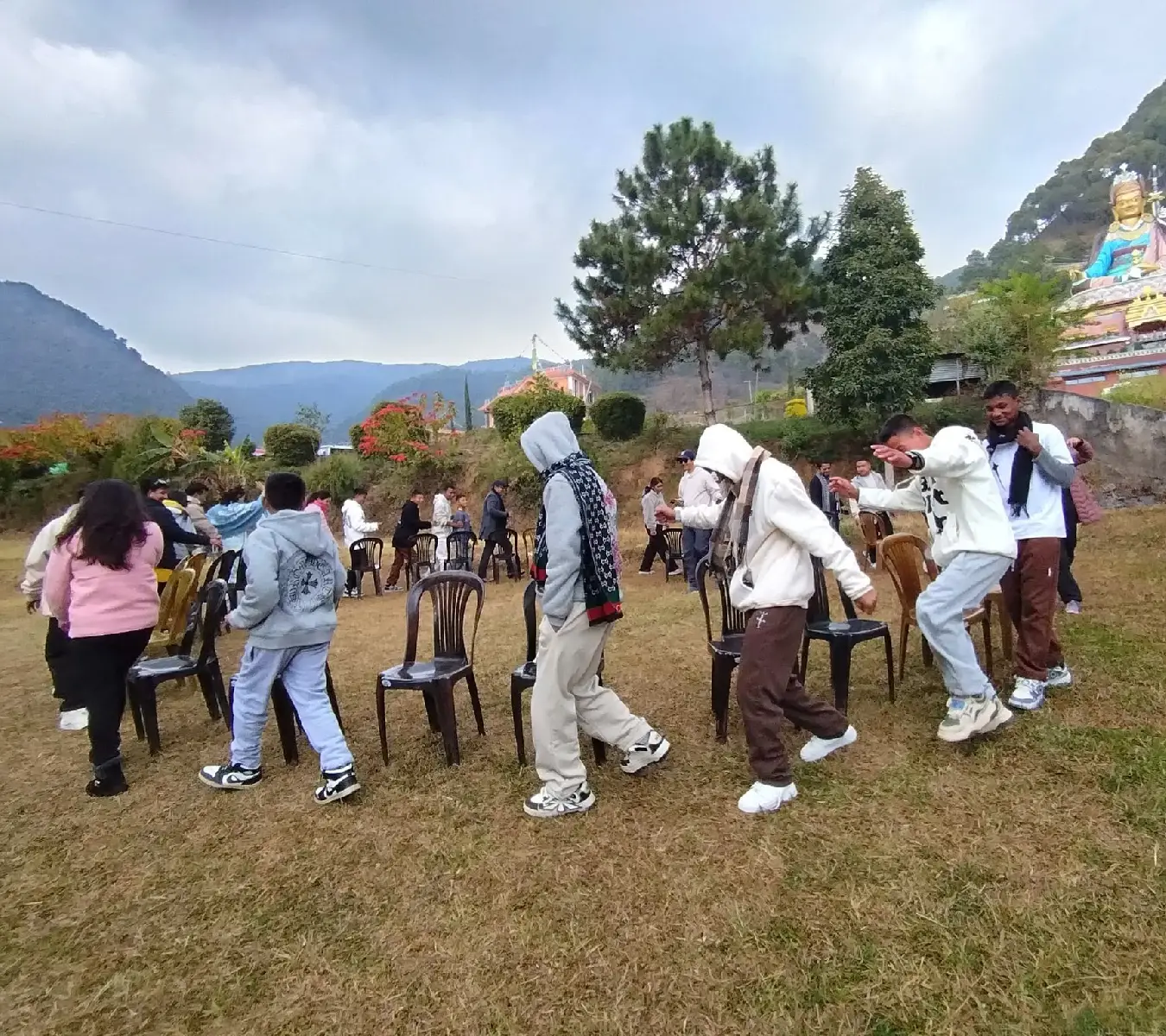
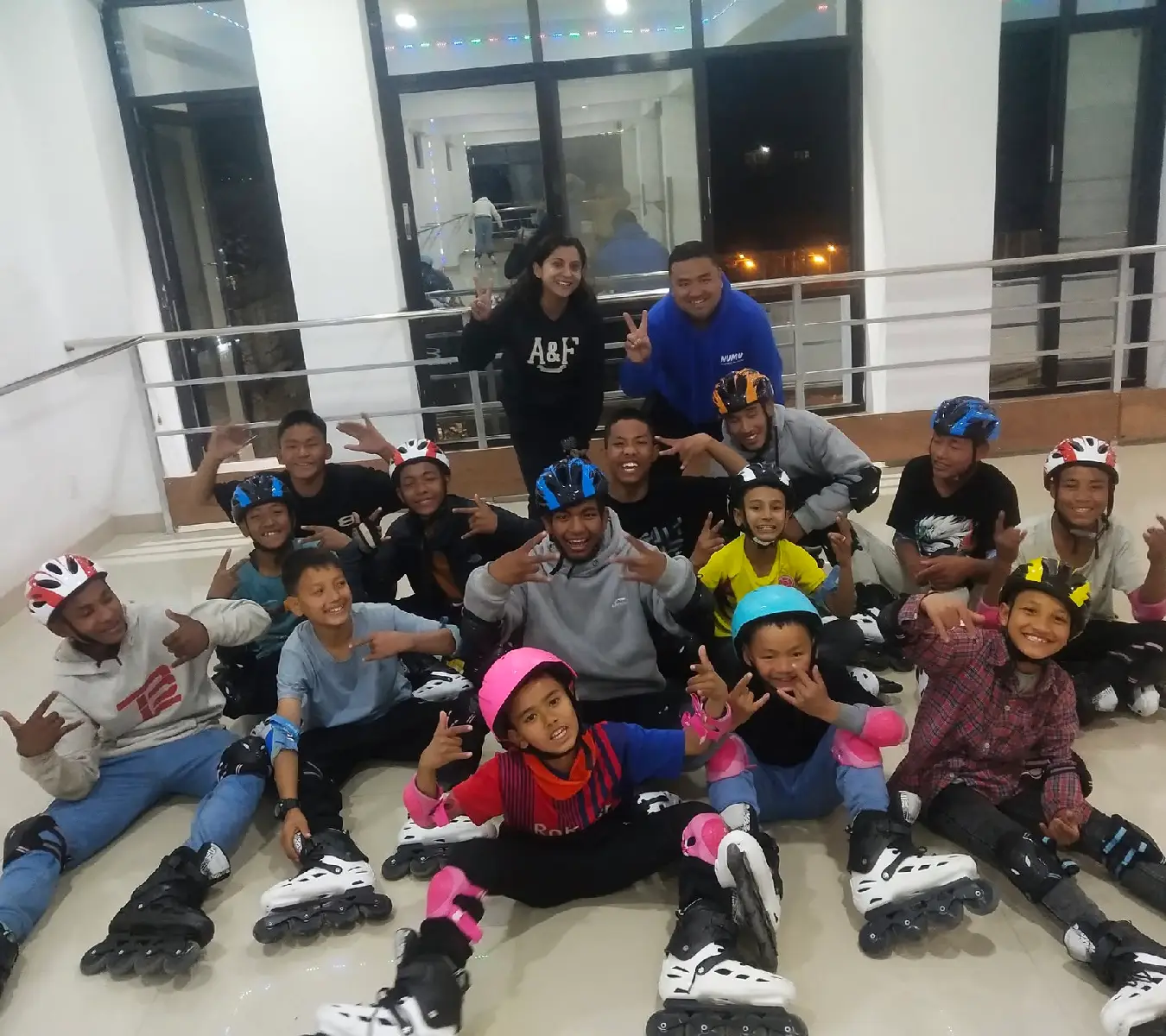
- Different child development competitive program and vacation tour.
Development:
- Rescue and research has been carried out in the remote VDCs to know the current situation of trafficking in the region.
Reunification
- Family reunification of 14 children completed and rest are in process.
- Suggestions and recommendations from central ministries and SWC via CPAC, DPAC, midterm evaluation has been taken into serious consideration.
Independent life
- Youth support is in continuation by enrolling youth to interested vocational trainings.
- Project progress and achievements have been strongly monitored and advised on shortcomings from donor perspective.
- New house has been purchased for small family size home for those children who cannot be reunified and or no traceable family origin
| Objective |
Year |
Total Children |
SLC Pass |
+2 (Higher Education) |
Support |
d) Provide for the educational, developmental,
recreational and basic needs of at risk children in refuge care. |
2011 |
97 |
7 |
|
|
| 2012 |
77 |
7 |
24 |
3 |
| 2013 |
63 |
3 |
|
|
| 2014 |
46 |
|
|
|
e) Reunification of children with parents where possible
and if it is safe to do so. |
Year |
Reunification |
Children Supported at Families |
| 2011–14 |
39 |
14 |
c) For those children or young people who cannot be
returned with families, training and support into higher education or
employment. |
Year |
Vocational Training |
Self Sufficient |
| 2011–14 |
8 |
7 |
Safe in School
Achievements: School support activities:
Keep vulnerable children safe in schools through improvement of basic facilities in schools and other educational supports to needy children.
- 21 schools received support for two room classrooms construction benefiting 1790 students
- 18 schools received support for child-friendly and gender friendly toilet facilities benefiting 1193 students
- 20 schools received support for child-friendly water facilities benefiting 2066 st
- 7 schools received support for fencing benefiting 1570 students
- 4 schools received support for model classroom (ECED) benefitting 115 students
- 22406 children were kept safe in school through teacher training, midday meals, anti trafficking workshops/orientation, competition, bursaries, furniture, library, and street drama.